> ## Documentation Index
> Fetch the complete documentation index at: https://signals.joincomrades.com/llms.txt
> Use this file to discover all available pages before exploring further.
# 02 Nov 2026 · Dispatch
> Comrades Dispatch of 02 Nov 2026, by news group.
> [card] [Comrades Dispatch · 02 Nov 2026 (PDF)](https://dl.joincomrades.com/d/02-11-26)
***
## In this edition
1. [202nd Victory Celebration of Rani Chennamma](#h-1) History
2. [India Deepens Diplomatic Outreach to Central Asia](#h-2) International Relations
3. [India-New Zealand MoC on Electronic Exchange of Origin Data](#h-3) MOU's & Agreements
4. [SC to Review ‘Industry’ Definition Under IR Code, 2020](#h-4) Polity & Governance
5. [World Bank’s India Poverty and Equity Brief](#h-5) Reports & Indices
6. [Pradhan Mantri Viksit Gram Swaraj Yojana](#h-6) Schemes & Initiatives
7. [Catch the Rain Campaign](#h-7) Schemes & Initiatives
8. [2 Years of Ayushman Vay Vandana Initiative](#h-8) Schemes & Initiatives
## History
### 202nd Victory Celebration of Rani Chennamma
[Source](https://www.drishtiias.com/current-affairs-news-analysis-editorials/news-analysis/02-11-2026#38417)
The 202nd anniversary of Kittur Rani Chennamma’s victory against the British East India Company was commemorated at Prerana Sthal in the Parliament premises, New Delhi, highlighting her role in the early resistance to British colonial rule.
* **About Rani Chennamma:**
* Rani Chennamma was born in 1778 in a Lingayat family in Kakati village near Belagavi, Karnataka.
* She was the Queen of Kittur in present-day Karnataka and an early leader of armed resistance against the British East India Company.
* **Kittur Rebellion:**
* In 1824, Rani Chennamma opposed British efforts to take control of Kittur after they refused to recognise her adopted son Shivalingappa as heir.
* In the first battle at Kittur in 1824, British forces suffered heavy losses and political agent St. John Thackeray was killed.
* Rani Chennamma was eventually captured and imprisoned at Bailhongal Fort, where she died on 21st February 1829.
* Sangolli Rayanna later continued resistance against British rule.
* **Legacy:**
* Her victory is commemorated annually through the Kittur Utsava, held from 22nd-24th October.
* Also remembered across Karnataka through folk songs (Janapada).
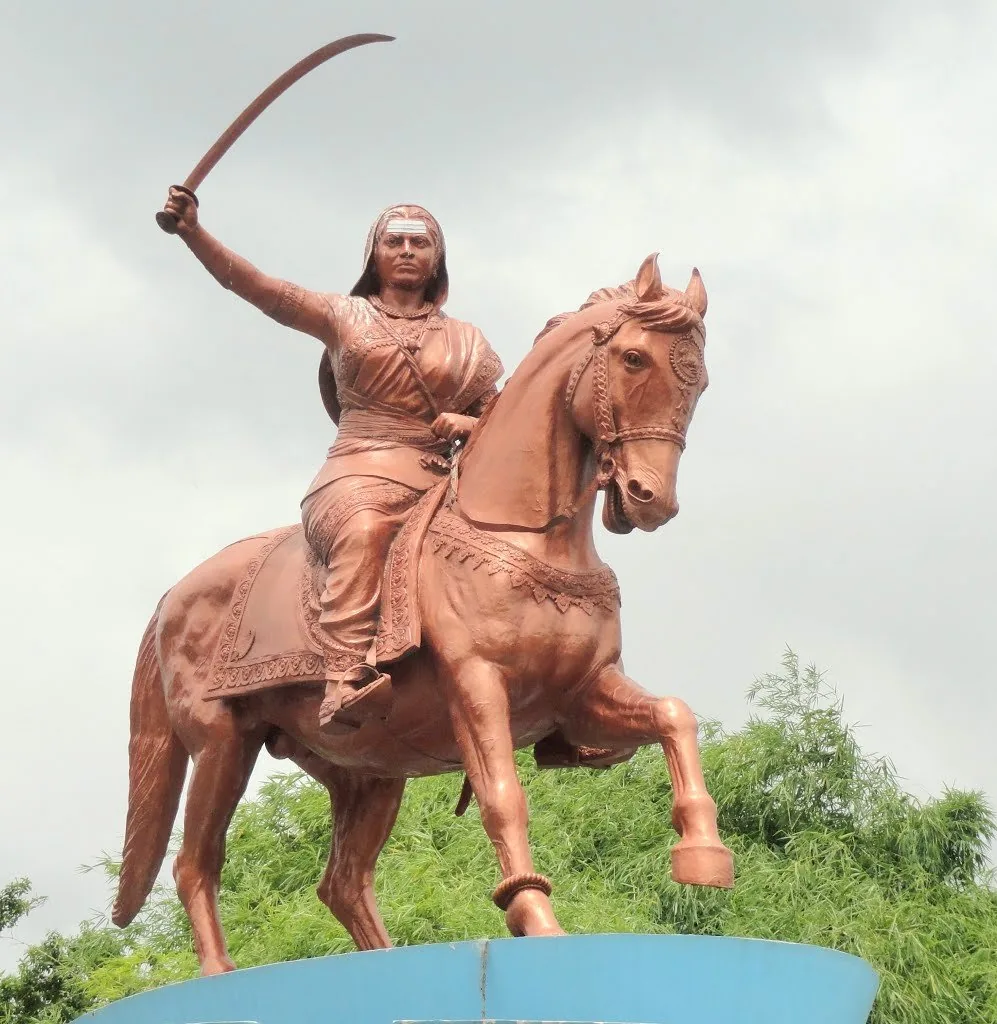
* A statue of Rani Chennamma was unveiled in the Parliament complex in 2007.
## International Relations
### India Deepens Diplomatic Outreach to Central Asia
[Source](https://www.drishtiias.com/current-affairs-news-analysis-editorials/news-analysis/02-11-2026#38419)
India’s External Affairs Minister visited Baku, Azerbaijan to review bilateral ties and also met Uzbekistan’s Foreign Minister, reflecting India’s renewed focus on strengthening engagement with the Central Asian region.
* **India-Azerbaijan:**
* Both sides agreed to expand cooperation in trade, investment, energy, tourism, connectivity and people-to-people ties.
* India-Azerbaijan relations were weakened after Azerbaijan opposed India’s Operation Sindoor against Pakistan. The visit marked efforts to improve relations.
* Both countries support the International North-South Transport Corridor (INSTC), linking India with Iran, the Caspian region, Russia, Central Asia and Europe.
* **India-Uzbekistan:**
* India and Uzbekistan reviewed key bilateral issues and stressed the timely implementation of agreements reached by their leaders.
* India-Uzbekistan ties were upgraded to a Comprehensive Strategic Partnership in August 2026, with cooperation covering trade, mining, energy and uranium supply.
**Central Asia Region**
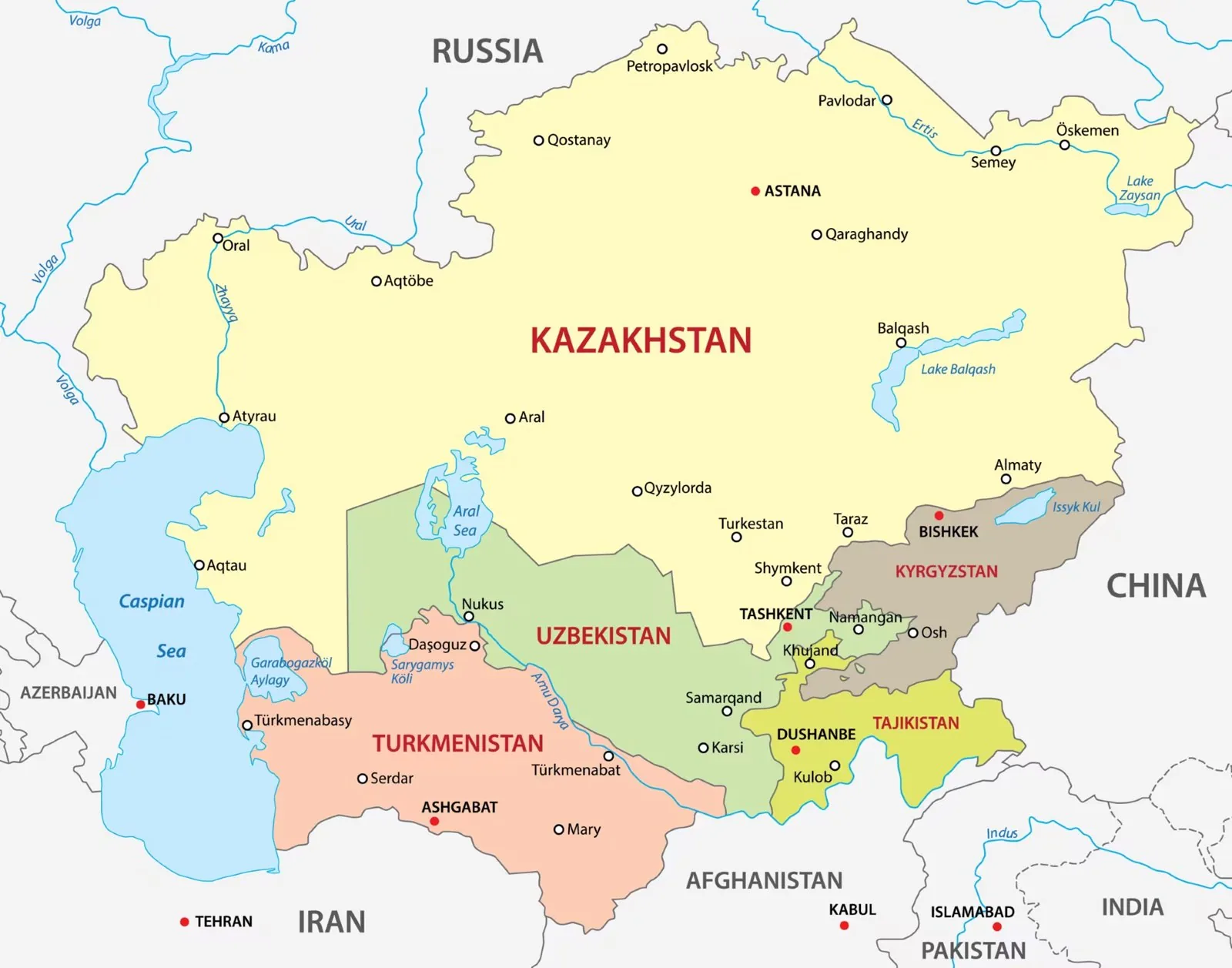
* **Geographical Location:** Central Asia lies in the interior of the Eurasian continent, with Russia to the north, China to the east, Iran and Afghanistan to the south, and the Caspian Sea to the west.
* **Member Countries:**
* The region consists of five landlocked nations, Kazakhstan, Kyrgyzstan, Tajikistan, Turkmenistan and Uzbekistan.
* All five gained independence following the dissolution of the Soviet Union in 1991.
* **Physical Features:** Major geographical features include the Tian Shan and Pamir mountain ranges, the Karakum and Kyzylkum deserts, and the Amu Darya and Syr Darya rivers, which historically drained into the Aral Sea.
* **Strategic Significance:** Central Asia was historically an important part of the Silk Road trade network and possesses substantial reserves of oil, natural gas and uranium.
* **Other Key Facts:**
* Kazakhstan is the world's largest landlocked country by area.
* Uzbekistan is a doubly landlocked country, meaning it is surrounded entirely by other landlocked countries.
* The Aral Sea, located between Kazakhstan and Uzbekistan, has undergone severe shrinkage, largely due to the diversion of river water for irrigation.
* Lake Issyk-Kul in Kyrgyzstan is the world’s second-largest alpine lake (after Lake Titicaca).
* Turkmenistan is home to the Darvaza Gas Crater, a natural gas field that collapsed into a cavern in 1971 and has been burning continuously ever since.
## MOU's & Agreements
### India-New Zealand MoC on Electronic Exchange of Origin Data
[Source](https://www.drishtiias.com/current-affairs-news-analysis-editorials/news-analysis/02-11-2026#38418)
India and New Zealand signed a Memorandum of Cooperation (MoC) on electronic exchange of origin data for trade in goods. It was signed by the Central Board of Indirect Taxes and Customs (CBIC) and the New Zealand Customs Service to support the India–New Zealand FTA.
* **Rules of Origin:**
* These are product-specific conditions that determine whether a good qualifies as an originating good under an FTA. They can involve wholly obtained goods, tariff-classification change or value addition.
* The Customs (Administration of Rules of Origin under Trade Agreements) Rules, 2020 empower Indian Customs to verify origin claims made for preferential imports.
* The India-New Zealand FTA strengthens bilateral economic ties by providing duty-free access to Indian exports, promoting investment, and expanding cooperation in agriculture, services and technology.
* India’s other recent FTA partners include the EU, UAE, Australia, EFTA, UK, and Oman CEPA, aimed at enhancing market access, boosting trade and investment, and strengthening economic partnerships.
* **About New Zealand:**
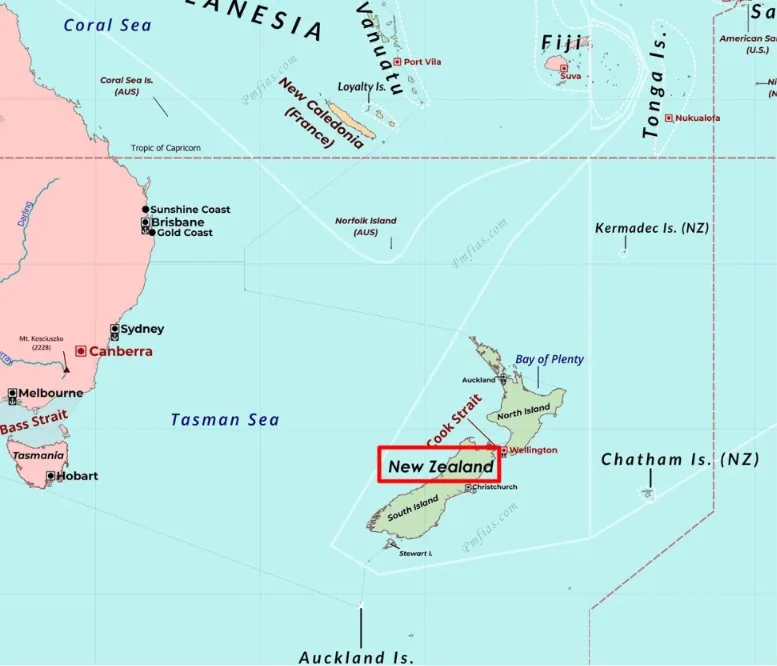
* New Zealand is an island country in the southwestern Pacific Ocean, forming part of Polynesia.
* The Tasman Sea separates it from Australia, while the Cook Strait separates its North and South Islands.
* Its capital is Wellington and it is a member of the Five Eyes grouping.
* The country is known for its diverse landscapes, including active volcanoes, fjords, and the Southern Alps.
* It has unique flora and fauna, including the flightless kiwi bird, which is also a national symbol. Formerly a British colony, New Zealand gradually gained self-governance and became fully independent in 1947.
## Polity & Governance
### SC to Review ‘Industry’ Definition Under IR Code, 2020
[Source](https://www.drishtiias.com/current-affairs-news-analysis-editorials/news-analysis/02-11-2026#38420)
The Supreme Court of India has agreed to hear a petition filed by the All India Trade Union Congress (AITUC) challenging the constitutional validity of the definition of 'industry' under the Industrial Relations Code, 2020. The core of the dispute lies in the Code's exclusion of specific institutions, fundamentally altering how industrial disputes and worker protections are governed.
* **Statutory Definition and Exclusions:**
* The Industrial Relations Code, 2020 (which amalgamates the Trade Unions Act, 1926; the Industrial Employment (Standing Orders) Act, 1946; and the Industrial Disputes Act, 1947) defines an 'industry' as any systematic activity carried out through cooperation between an employer and workers for the production, supply, or distribution of goods and services.
* However, it explicitly excludes:
* Institutions owned or managed by organizations substantially engaged in charitable, social, or philanthropic activities.
* Government activities related to sovereign functions.
* Domestic services.
* Any other activities that the Central Government may notify at its discretion.
* **Constitutional Challenge:**
* The exclusions are challenged for potentially violating Article 14 (Right to Equality) of the Constitution.
* Because the exclusion relies on who runs the establishment rather than the work performed, workers doing identical jobs (e.g., a nurse in a private commercial hospital versus a charitable hospital) face disparate access to Industrial Tribunals and dispute remedies.
* **Excessive Delegation:** The Code empowers the Central Government to notify additional activities excluded from the definition of 'industry' without expressly prescribing limiting criteria, raising concerns over arbitrary classification and excessive executive discretion.
* **Deviation from Established Precedent:** The 2020 Code's definition departs from the landmark Supreme Court judgment in Bangalore Water Supply and Sewerage Board v. A. Rajappa (1978), which established the "triple test (systematic activity, employer-employee cooperation, and production of goods/services)" and ruled that the nature of the activity, not the employer’s identity or profit motive, determines what constitutes an 'industry'.
* **Jai Bir Singh Case (August 2026):**
* The Supreme Court held that the Bangalore Water Supply (1978) triple test would continue to govern pending disputes under the Industrial Disputes Act, 1947.
* However, the Bench clarified that the definition of 'industry' under Section 2(p) of the Industrial Relations Code, 2020, must be interpreted independently, making this current constitutional scrutiny essential.
* **Impact on Worker Protections:** Workers in excluded establishments do not lose all legal rights, but they are stripped of the specific statutory protections regarding retrenchment, lay-offs, closure, and conciliation machinery explicitly provided under the Industrial Relations Code.
## Reports & Indices
### World Bank’s India Poverty and Equity Brief
[Source](https://www.drishtiias.com/current-affairs-news-analysis-editorials/news-analysis/02-11-2026#38421)
**Why in News?**
* The World Bank released the India Poverty and Equity Brief (October 2026), highlighting that India has achieved one of the fastest poverty reduction rates globally.
* However, while absolute monetary poverty has declined, critical macroeconomic vulnerabilities and structural inequalities threaten to undermine this progress.
What are the Key Findings of the India Poverty and Equity Brief?
* **Absolute Reduction in Poverty:**
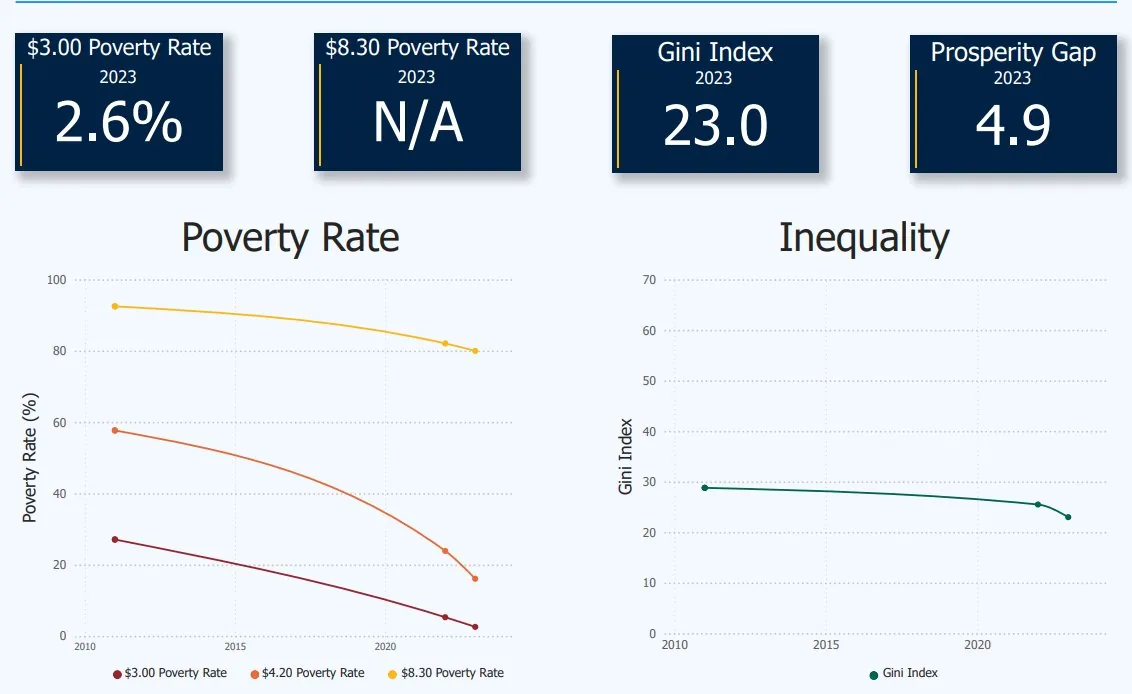
* Between 2011 and 2023, the share of the population below the Lower Middle-Income poverty line ( USD 4.20/day) fell drastically from 57.7% to 16.1%, successfully lifting an estimated 496 million people out of poverty.
* Poverty decline is expected to slow down, with projections indicating a drop from 14.2% in 2026 to 12.1% by 2028 (at the USD 4.20 line).
* **Decline in Extreme Poverty:** Extreme poverty (measured at USD 3.00/day) plummeted from 27.1% to 2.6%, leaving roughly 75.2 million people in extreme poverty by 2023.
* **Non-Monetary/Multidimensional Improvements:**
* According to the Oxford Poverty and Human Development Initiative (OPHI), India's Multidimensional Poverty Index (MPI) poverty rate declined from 53.8% (2005–06) to 16.4% (2019–21).
* The World Bank's MPI estimated it at 15.5% in 2022–23.
* **Regional Concentration:**
* A contiguous belt of states stretching from Uttar Pradesh to West Bengal accounts for about 57% of India’s remaining poor.
* National poverty eradication heavily depends on generating productive employment in this specific region.
* **Rural-Urban Divide:** Most of the poor remain in rural areas, where poverty sits at 19.3% compared to 8.6% in urban areas, largely due to a lack of non-farm job opportunities and low productivity.
* **Demographic Vulnerabilities:**
* Poverty is highest among children aged 0–14 (21.8%), followed by females (16.6%).
* Poverty affects 21.3% of those with no education, but only 7.4% of those with tertiary education.
* **Severe Wage Inequality:** The report highlights a stark wage disparity, with the median earnings of the top 10% of workers being 13 times that of the bottom 10%. The Gini index stands at 23.0 (2023).
* **Drivers of Alleviation:** Progress was primarily driven by strong domestic consumption growth, rising employment (particularly among rural women), and expanded government social transfers like food subsidies.
**What is Poverty?**
* **Poverty:**
* The World Bank defines poverty as a pronounced deprivation in well-being, where individuals lack sufficient income or consumption to meet a minimum standard of living.
* It extends beyond income deprivation to include inadequate access to food, healthcare, education, housing and other basic necessities, as well as a lack of essential capabilities, dignity, empowerment and political freedom required to participate fully in society.
* **Measurement Categories:** Poverty is measured objectively (monetary vs. non-monetary/basic needs/anthropometric) or subjectively (direct surveys).
* **Monetary Poverty Calculation:** Involves three steps: estimating a poverty line (absolute or relative), selecting a welfare aggregate (income or expenditure), and calculating the population share below this threshold.
* **Absolute Poverty:** Defined as lacking the monetary resources to afford a socially accepted minimum consumption basket.
* **Relative Poverty:**
* It refers to a condition in which individuals have significantly lower income or resources than the average or median income of the society.
* It highlights economic inequality and relative deprivation, even when basic needs are met.
* **Poverty Estimation in India:**
* NITI Aayog oversees poverty estimation using household consumption expenditure data collected by the National Sample Survey Office (NSSO) under the Ministry of Statistics and Programme Implementation (MoSPI).
* The Ministry of Rural Development conducts the BPL Census to identify poor households for specific welfare schemes.
* **Post-Independence:** The Planning Commission (1962) initiated official poverty estimation. The Alagh Committee (1979) and Lakdawala Committee (1993) refined the methodology using consumption expenditure and calorie norms.
* **Tendulkar Committee (2009):**
* Shifted away from calorie-based norms, adopted a uniform all-India Poverty Line Basket (PLB) and MRP data.
* It estimated the 2011–12 poverty line at Rs 816 (rural) and Rs 1,000 (urban) per capita per month.
* **Rangarajan Committee (2014):** Recommended separate rural and urban PLBs, estimating poverty lines at Rs 972 (rural) and Rs 1,407 (urban) per capita per month. Its recommendations were not officially adopted by the government.
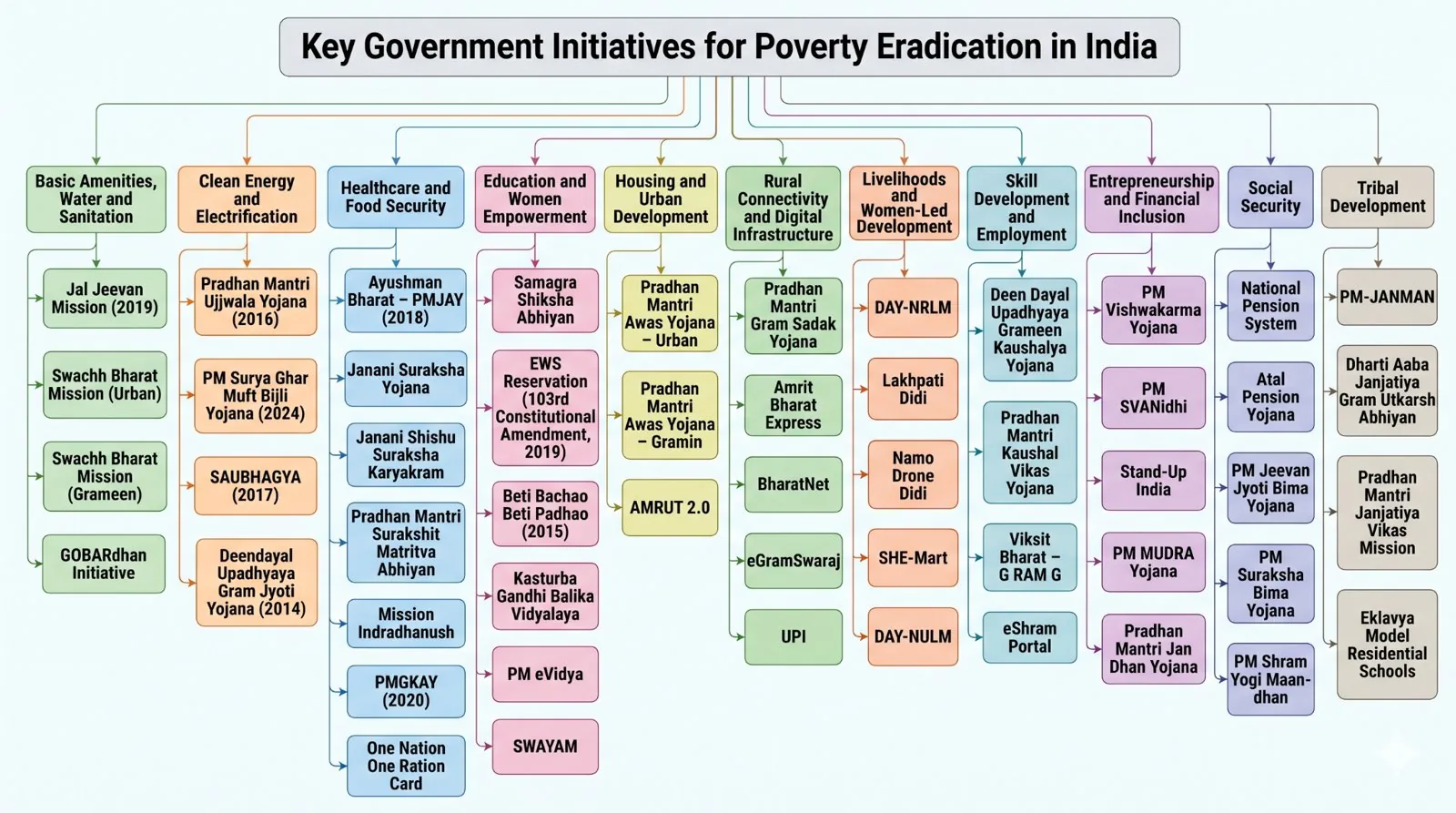
What are the Major Challenges Hindering Poverty Reduction in India?
* **Increasing Inequality:** The World Inequality Lab (2024) highlights that India's top 1% controls over 40% of national wealth, indicating a systemic failure to fulfil Article 39(c) of the Constitution, which mandates the State to prevent the concentration of wealth.
* **Informalization and the 'Gig' Trap:**
* Neoliberal labor deregulation strips over 80% of the workforce of social security and job permanence.
* This precariousness ensures that a single medical or economic shock instantly plunges vulnerable families back into destitution.
* **Jobless Growth:**
* Because India’s GDP growth is highly capital-intensive, it fails to absorb surplus agricultural labor.
* With youth comprising 83% of the unemployed (ILO, 2024), this structural bottleneck locks the poor out of high-productivity manufacturing, ensuring real wages remain permanently suppressed.
* **The Agrarian Debt Cycle:**
* Agriculture absorbs 45% of the workforce but yields only 18% of GDP.
* Fragmented landholdings, unpredictable monsoons, and market volatility trap farmers in inescapable cycles of debt and disguised unemployment, keeping rural incomes fundamentally stagnant.
* **Sociological Poverty Traps:** Poverty is continuously reproduced along caste lines through systemic marginalization, historical land alienation, and geographic displacement of Scheduled Castes (SCs) and Scheduled Tribes (STs) (as noted by the Xaxa Committee), structurally barring them from accumulating generational wealth.
* **The Feminization of Poverty:**
* Relegating women strictly to unpaid care work or low-paying informal agricultural labor drastically suppresses total household earning potential.
* This systemic exclusion denies women financial autonomy and ensures poverty is passed down to the next generation.
* **Biological Traps:**
* Despite caloric sufficiency, rampant micronutrient deficiencies evidenced by over 50% anemia in women and high child stunting rates (NFHS-5) permanently impair the cognitive and physical development of the next generation, severely limiting their future earning capacity.
* Out-of-Pocket Expenditure (OOPE) on healthcare accounts for roughly 47.1% to 48.2% of India's total health expenditure, continuing to drive an estimated 55 million people into poverty each year.
* **Climate-Induced Economic Resets:** The poor live in highly exposed geographies. Frequent climate disasters (floods, heatwaves) act as a relentless "reset button," repeatedly wiping out the fragile physical assets, livestock, and rudimentary housing of marginal farmers and urban slum dwellers.
* **Human Capital Deficit:**
* Chronically low public expenditure on health (1.3% of GDP) and education (2.9%) ensures the massive working-age population remains unskilled.
* This deficit traps the youth in obsolete, low-end jobs, turning a potential demographic dividend into a cycle of poverty in an AI-driven economy.
* **Inflation as a Regressive Tax:**
* Persistent and volatile food inflation constantly erodes the already fragile purchasing power of low-income households.
* It continuously nullifies any nominal wage gains, acting as an invisible tax that keeps vulnerable populations hovering just below or at the poverty line.
* **The Eldercare Financial Drain:**
* By 2050, over 20% of India’s population will be elderly.
* Without universal pension coverage and with the breakdown of joint families, the financial burden of eldercare will fall squarely on impoverished youth, draining their meagre resources and deepening the household poverty trap.
**What Measures Can Strengthen Poverty Reduction in India?**
* To systematically address and strengthen poverty reduction in India, policymakers must adopt the EMPOWER framework: Employment, Marginalized Empowerment, Progressive Taxation, Overhauling Agriculture, Welfare, Education & Health, and Resilience.
* **Employment-Linked Incentives & Skilling:**
* Move beyond basic rural subsistence schemes like VB-G RAM G , 2025 by integrating them with mandatory skilling initiatives (PM Kaushal Vikas Yojana) to create productive, climate-resilient assets.
* Implement Employment-Linked Incentives (ELI) schemes to subsidize formal hiring in labor-intensive sectors (textiles, toys, food processing) and mandate corporate apprenticeships to tackle youth 'jobless growth'.
* **Marginalized & Women Empowerment:**
* Go beyond micro-credit by aggressively onboarding Self-Help Groups (SHGs) onto the Open Network for Digital Commerce (ONDC), eliminating middlemen and expanding market access to achieve the government's target of creating 3 crore 'Lakhpati Didis'.
* Rapidly deploy the planned 17,000 creches under the National Creche Scheme. Unburdening women from unpaid care work is a strict prerequisite to pushing India’s Female Labor Force Participation Rate (FLFPR) past its current structural ceiling.
* Strictly enforce the 4% employment reservation under the RPwD Act, 2016, incentivise inclusive hiring, and strengthen the Accessible India Campaign to ensure the economic participation of PwDs.
* **Progressive Taxation:**
* Introduce progressive wealth and inheritance taxes on the ultra-rich to curb extreme wealth concentration, fulfilling the constitutional mandate of Article 39(c).
* Use augmented direct tax revenues to statutorily increase public health spending to 2.5% of GDP.
* **Overhauling Agriculture:**
* Implement universal Kisan e-IDs linked to land records and Aadhaar. This Digital Public Infrastructure (DPI) will enable instant, collateral-free credit via the Kisan Credit Card (KCC), breaking the reliance on exploitative informal moneylenders.
* Shift procurement incentives away from water-guzzling crops (paddy/wheat) toward Shree Anna (millets) and pulses. This stabilizes incomes for dryland/marginal farmers who are most vulnerable to climate shocks.
* **Welfare Universalization:**
* Strengthen implementation of the Code on Social Security, 2020 by levying a 1–2% cess on aggregator platform revenues (e.g., Zomato, Uber) to fund a dedicated social security net (health, pension) for the 15+ million unorganized gig workers, mirroring the Rajasthan Gig Workers Act, 2023.
* Under the National Programme for Health Care of the Elderly (NPHCE), shift focus from hospital-based care to funding localized, community-led day-care centers and at-home palliative care for the elderly, reducing the indirect wage-loss burden on working-age family members.
* **Education & Eradicating 'Hidden Hunger':**
* Execute the NEP 2020 target to expose 100% of learners to vocational education by 2030, bridging the massive skills gap that drives youth unemployment.
* Shift Targeted Public Distribution System (TPDS) towards a nutrition-centric model by including pulses, edible oils and bio-fortified millets (Shree Anna) to combat anaemia and stunting through dietary diversification.
* **Resilience:** Adopt parametric weather insurance for instant, weather-triggered payouts and establish a dedicated fund to reskill coal-dependent informal workers in Jharkhand, Chhattisgarh and West Bengal during the transition towards India’s 2070 Net-Zero target.
**Conclusion**
* While lifting half a billion Indians out of extreme poverty is a historic achievement, true poverty eradication requires moving beyond basic subsistence towards equitable wealth distribution and human capital development. From Antyodaya to Sarvodaya, India must advance SDG 1 (No Poverty), SDG 8 (Decent Work) and SDG 10 (Reduced Inequalities) while upholding the Supreme Court’s Olga Tellis judgment (1985), which recognises the Right to Livelihood.
## Schemes & Initiatives
### Pradhan Mantri Viksit Gram Swaraj Yojana
[Source](https://www.drishtiias.com/current-affairs-news-analysis-editorials/news-analysis/02-11-2026#38424)
**Why in News?**
* Recently, the Union Cabinet approved the Pradhan Mantri Viksit Gram Swaraj Yojana, aimed at strengthening grassroots governance and Panchayati Raj Institutions across India.
**What are the Key Facts About the Scheme?**
* About: The Pradhan Mantri Viksit Gram Swaraj Yojana (PM VGSY) is a Centrally Sponsored Scheme aimed at strengthening Panchayats as empowered, self-reliant, accountable and high-performing institutions of local self-government through integrated planning, capacity building and digital governance.
* **Implementation Period:** The scheme will be implemented from FY 2026–27 to 2030–31, with a total financial outlay of ₹7,395.55 crore, comprising a Central share of ₹4,869.48 crore and a State share of ₹2,526.07 crore.
* **Institutional Coverage:** Covers over 2.55 lakh Panchayats and traditional local bodies across all States and Union Territories, including eligible traditional rural local government institutions in areas where Panchayats under Part IX of the Constitution do not exist.
* **Beneficiaries:** Around 32 lakh elected representatives, Panchayat functionaries and other stakeholders will benefit through capacity building, technical support and digital handholding.
* **Finance Commission Linkage:** The scheme coincides with the 16th Finance Commission (2026–31) period, which has recommended approximately ₹4.35 lakh crore in grants for Rural Local Bodies, and aims to strengthen Panchayats' capacity to utilise these resources effectively.
* **Implementation Mechanism:** The scheme will operate through existing government institutions, with States and UTs submitting Annual Action Plans for appraisal and approval by a Central Empowered Committee. It also provides for need-based contractual personnel at State, District and Block levels, without creating permanent posts.
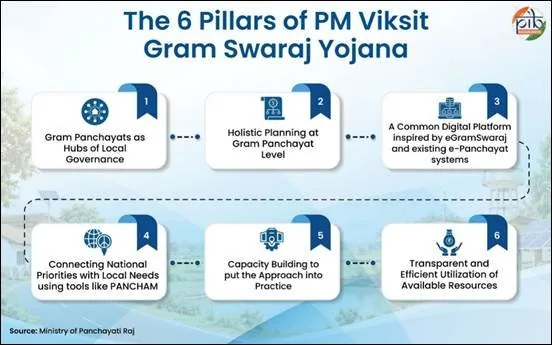
**What are the Six Pillars of the Scheme?**
* **Gram Panchayats as Hubs of Local Governance:** Positions Gram Panchayats at the centre of local development planning, enabling them to coordinate village priorities, government schemes and available resources while aligning national development goals with local needs.
* **Holistic Planning at Gram Panchayat Level:** Integrates Central and State departmental planning processes through a common digital platform to strengthen Gram Panchayat Development Plans (GPDPs), identify development gaps and improve resource utilisation.
* **Digital Governance:** Builds on eGramSwaraj and existing e-Panchayat systems to consolidate information on government schemes, beneficiaries, community assets and available resources, improving planning, monitoring and knowledge-sharing among Panchayats.
* **Connecting National Priorities with Local Needs:** Promotes Jan Bhagidari (people's participation) through Gram Sabhas, Panchayat forums and digital outreach. The AI-enabled PANCHAM (Panchayat Assistance and Messaging Chatbot) facilitates multilingual, two-way communication in 17 Indian languages.
* **Capacity Building:** Strengthens the skills of elected representatives and Panchayat functionaries through Integrated Government Online Training and the National Academy for Capacity Building of Civil Services, covering digital governance, development planning, resource management and specialised technical tasks.
* **Transparent and Efficient Resource Utilisation:** Promotes effective utilisation of Finance Commission grants, mobilisation of Own Source Revenue (OSR) and financial accountability through online accounting, auditing and public disclosure.
**What are the Key Targets of the Scheme?**
* **Development Planning:** Preparation of over 2.55 lakh Gram Panchayat Development Plans (GPDPs) annually through eGramSwaraj, integrating local priorities, departmental interventions and available resources.
* **Citizen Awareness:** Reaching at least 1 crore citizens per awareness-generation episode through Gram Sabhas, digital platforms and outreach campaigns.
* **Capacity Building:** Providing training and digital support to around 32 lakh elected representatives, Panchayat functionaries and other stakeholders annually to strengthen local governance and progress towards Sustainable Development Goals (SDGs).
* **Financial Accountability:** Preparation of at least 2.55 lakh online audit plans annually, with timely audits through AuditOnline to improve transparency and accountability in Panchayat finances.
**How Will Digital Platforms Strengthen Panchayat Governance?**
* The scheme builds on existing digital systems rather than creating an entirely separate governance infrastructure.

**Conclusion**
* The Pradhan Mantri Viksit Gram Swaraj Yojana seeks to strengthen decentralised, participatory and accountable rural governance through integrated planning, digital governance, capacity building and transparent financial management. Its success will depend on effective implementation, meaningful community participation and the ability of Panchayats to translate local priorities into development outcomes, contributing to inclusive rural development and the vision of Viksit Bharat @2047.
### Catch the Rain Campaign
[Source](https://www.drishtiias.com/current-affairs-news-analysis-editorials/news-analysis/02-11-2026#38422)
**Why in News?**
* The Jal Sanchay Jan Bhagidari: Catch the Rain (JSJB: CTR) 2026 initiative has strengthened India's community-led water conservation efforts, integrating rainwater harvesting, groundwater recharge and restoration of water bodies.
What are the Key Facts About the Catch the Rain Campaign?
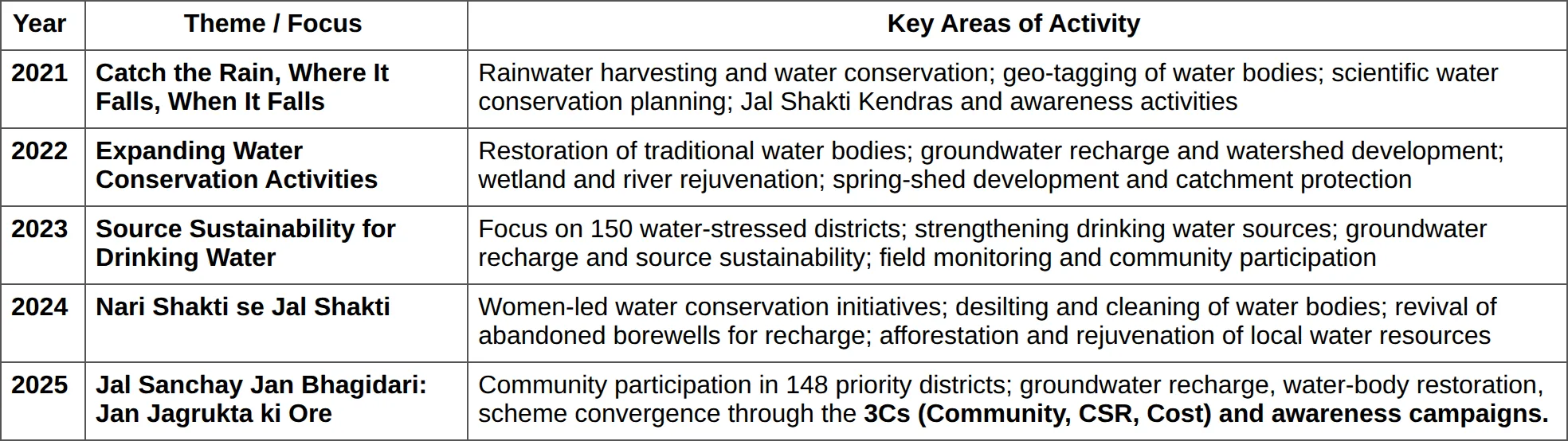
* **About:** The Jal Shakti Abhiyan: Catch the Rain (JSA: CTR) campaign was launched on 22nd March 2021, coinciding with World Water Day, under the theme “Catch the Rain, Where It Falls, When It Falls.”
* **Background:** Builds upon the Jal Shakti Abhiyan, 2019, which covered 1,592 water-stressed blocks across 256 districts to promote water conservation and groundwater recharge.
* **Major Objectives:** Promotes rainwater harvesting, groundwater recharge, rejuvenation of traditional water bodies, watershed development and afforestation through community participation.
* **Key Interventions:**
* Installation of rainwater harvesting systems, recharge pits and recharge shafts in residential, institutional and public spaces.
* Revival of traditional wells, baolis, ponds and abandoned borewells to strengthen groundwater recharge.
* Desilting of ponds and reservoirs to improve water storage capacity and monsoon water retention.
* Afforestation and catchment-area protection to enhance ecological resilience and water conservation.
* **Community Participation:** Promotes water conservation as a Jan Andolan (people's movement) involving citizens, local governments, educational institutions and civil society organisations.
* **Jal Shakti Kendras (JSKs):** Function as district-level knowledge and facilitation centres, providing technical guidance and supporting local water conservation planning.
What are the Key Initiatives under Jal Sanchay Jan Bhagidari?
* Jal Sanchay Jan Bhagidari 1.0 (2024)
* **About:** Implemented from April 2024 to May 2025, JSJB 1.0 promoted community-driven water conservation through locally appropriate groundwater recharge and water storage structures.
* **Three Cs Approach:** Based on Community, Corporate Social Responsibility (CSR) and Cost, encouraging public participation, private-sector contributions and low-cost interventions.
* **Convergence:** Integrated resources from existing government schemes through a Whole-of-Government and Whole-of-Society approach.
* **Achievements:** More than 10 lakh groundwater recharge structures were constructed, with over 27 lakh artificial recharge structures reported during the initiative.
* Jal Sanchay Jan Bhagidari 2.0 (2025)
* **About:** Launched on 1st June 2025, JSJB 2.0 expanded community-led water conservation efforts, particularly in over-exploited and critical groundwater districts.
* **Focus Areas:** Emphasised low-cost, hyper-local groundwater recharge interventions, revival of water sources and community ownership.
* **Recognition:** Outstanding contributions under JSJB 1.0 were recognised during the 6th National Water Awards in November 2025.
* Jal Sanchay Jan Bhagidari: Catch the Rain (2026)
* **About:** Launched on 1st June 2026, it integrates JSJB with the Jal Shakti Abhiyan: Catch the Rain campaign to strengthen water conservation and climate resilience.
* **Inter-Scheme Convergence:** Mobilises resources from programmes such as VB-G RAM G, PM Krishi Sinchayee Yojana (PMKSY), CAMPA, Finance Commission Grants and State Government schemes.
* **Local Participation:** Involves Panchayati Raj Institutions, Urban Local Bodies, women's groups, youth, educational institutions and civil society organisations in planning and implementation.
* **Digital Monitoring:** Uses the JSJB: CTR Portal and mobile application to support transparency, progress monitoring and public feedback.
* Jal Shakti Abhiyan: Catch the Rain (JSA: CTR)
* **Building on JSA 2019:** The campaign builds on Jal Shakti Abhiyan 2019, which covered 1,592 water-stressed blocks across 256 districts and promoted water conservation and rainwater harvesting.
* **Key Focus Areas:** It promotes rainwater harvesting, groundwater recharge, watershed development, rejuvenation of water bodies, afforestation and community participation through a Jan Andolan approach.
* **Annual Campaign:** The campaign has been implemented annually, with its themes and focus areas evolving over time.
* Major Achievements
* Over 1.55 crore artificial recharge and storage structures have been constructed under the broader JSJB initiative.
* An impact evaluation of 23 lakh structures under JSJB 1.0, using rainfall data from June to December 2025, estimated 2.43 billion cubic metres of groundwater recharge.
**Conclusion**
* The Catch the Rain Campaign and Jal Sanchay Jan Bhagidari represent a shift towards decentralised, community-driven and scientifically informed water conservation. Integrating local participation, traditional water-management practices, digital monitoring and scheme convergence can strengthen groundwater security, climate resilience and sustainable rural development.
### 2 Years of Ayushman Vay Vandana Initiative
[Source](https://www.drishtiias.com/current-affairs-news-analysis-editorials/news-analysis/02-11-2026#38423)
**Why in News?**
* Recently, the Ayushman Vay Vandana initiative completed two years, recording 23.46 lakh authorised hospital admissions worth ₹5,668.80 crore as of October 2026.
What are the Key Facts About Ayushman Vay Vandana Initiative?
* **About:** The Ayushman Vay Vandana initiative, launched on 29th October 2024, extends the benefits of Ayushman Bharat–Pradhan Mantri Jan Arogya Yojana (AB PM-JAY) to all senior citizens aged 70 years and above, irrespective of their socio-economic status.
* **Implementing Agency:** Implemented by the National Health Authority (NHA) under the Ministry of Health and Family Welfare, aiming to strengthen healthcare access and financial protection for the elderly.
* **Coverage:** Provides health coverage of up to ₹5 lakh per family annually for secondary and tertiary care hospitalisation, benefiting approximately 6 crore senior citizens across 4.5 crore families.
* **Additional Benefits:** Senior citizens aged 70 years and above belonging to families already covered under AB PM-JAY receive an additional ₹5 lakh annual top-up cover, exclusively for themselves, separate from the existing family coverage.
* **Ayushman Vay Vandana Card:** Eligible senior citizens receive a distinct Ayushman Vay Vandana Card, with Aadhaar-based e-KYC mandatory for enrolment. Registration is available through the Ayushman App and the AB PM-JAY beneficiary portal.
* **Existing Health Insurance:** Senior citizens covered under government schemes such as CGHS, ECHS and CAPF can choose between their existing scheme and AB PM-JAY. Those with private health insurance or Employees' State Insurance (ESI) are also eligible.
* **Significance:** Promotes inclusive and cashless healthcare, reduces out-of-pocket hospitalisation expenses and strengthens financial security and dignity among elderly citizens.
* Major Achievements
* **Hospital Admissions:** Recorded 23.46 lakh authorised hospital admissions, valued at ₹5,668.80 crore.
* **Most Availed Treatments:** Cataract surgery accounted for 4.71 lakh treatments (20.1%), followed by chronic haemodialysis with approximately 2.90 lakh treatments.
* **Cardiac Care:** Percutaneous Transluminal Coronary Angioplasty (PTCA) accounted for the highest authorised treatment expenditure of approximately ₹649 crore.
* **Other Major Treatments:** Included total knee replacement, management of Chronic Obstructive Pulmonary Disease (COPD) exacerbations, acute febrile illness, acute kidney injury and renal failure.
**Ayushman Bharat–Pradhan Mantri Jan Arogya Yojana (AB PM-JAY)**
* Launched in 2018 under the Ayushman Bharat initiative to improve access to affordable healthcare and protect economically vulnerable families from high hospitalisation expenses.
* It is a government-funded health assurance scheme providing cashless health coverage of up to ₹5 lakh per eligible family per year for secondary and tertiary care hospitalisation.
This documentation is built and hosted on [Mintlify](https://mintlify.com), a developer documentation platform.