> ## Documentation Index
> Fetch the complete documentation index at: https://signals.joincomrades.com/llms.txt
> Use this file to discover all available pages before exploring further.
# 22 Sep 2026 · Dispatch
> Comrades Dispatch of 22 Sep 2026, by news group.
> **[Comrades Dispatch · 22 Sep 2026 (PDF)](https://dl.joincomrades.com/d/22-09-26)**
***
## In this edition
1. [Community Cadres: The Backbone of Rural Transformation](#h-1) Agriculture & Rural
2. [Exercise Nomadic Elephant 2026](#h-2) Military Exercises
3. [India-EU FTA: Copyright Concerns](#h-3) MOU's & Agreements
4. [Tulu Accorded 2nd Official Language Status in Karnataka](#h-4) Nation & States
5. [SC Strikes Down Maharashtra’s Methanol Rules](#h-5) Polity & Governance
6. [India-Pakistan Naval Collision in the North Arabian Sea](#h-6) Security
7. [International Conference on The Future of Environment and Climate Dynamics](#h-7) Visits & Conferences
8. [3,261 Flowering Plant Species in Agasthyamalai Biosphere Reserve](#h-8) Wildlife
## Agriculture & Rural
### Community Cadres: The Backbone of Rural Transformation
[Source](https://www.drishtiias.com/current-affairs-news-analysis-editorials/news-analysis/22-09-2026#37574)
**Why in News?**
* A vast network of trained grassroots workers is strengthening last-mile delivery of government schemes by connecting rural communities with essential services related to livelihoods, health, nutrition, sanitation, housing, water security and financial inclusion.
**How are Community Cadres Powering Last-Mile Delivery?**
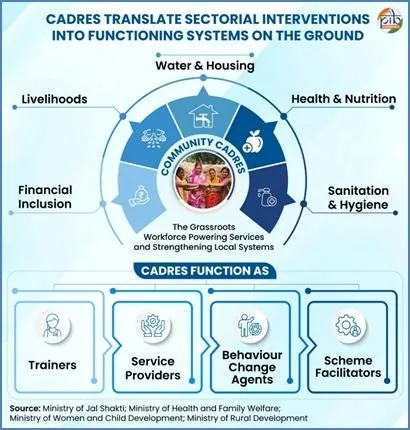
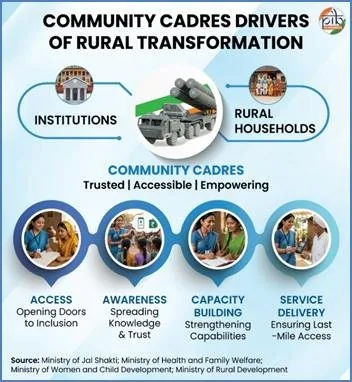
* **About Community Cadres:** Community cadres act as trained grassroots workers who bridge the gap between government institutions and rural households by enabling awareness, service delivery, scheme access and behavioural change.
* **Role:**
* **Multi-Dimensional Approach:** Household-level convergence connects rural families with multiple development dimensions, including livelihoods, health, sanitation and financial inclusion.
* **Expanding Roles of Frontline Workers:** Cadres increasingly perform cross-sectoral roles; for example, ASHAs support maternal and child health along with nutrition awareness, sanitation practices and response to violence against women.
* **Social Inclusion through Gender CRPs:** Under NRLM, Gender CRPs address issues such as gender-based violence, social exclusion and inequality, promoting equitable development.
* **Last-Mile Enablers of Convergence:** Frontline cadres convert coordination between schemes into tangible improvements in household well-being by ensuring integrated service delivery at the community level.
* **Extensive Grassroots Network:** Over 9 lakh Community Resource Persons (CRPs), 10.40 lakh ASHAs, 10.58 lakh Anganwadi Workers (AWWs), and Auxiliary Nurse Midwives (ANMs) along with other frontline workers, support rural service delivery across multiple sectors.
* **Sectoral Support:** Nearly 4.08 lakh livelihood CRPs such as Krishi Sakhis, Pashu Sakhis, Matsya Sakhis and Van Sakhis support agriculture and allied activities, while other CRPs promote banking, insurance, financial literacy, gender awareness and community development.
**Capacity Building for Community Cadres**
* **Institutionalised Training Approach:** Capacity building of community cadres is a continuous process involving induction training, thematic modules, refresher courses, field mentoring and on-site handholding rather than a one-time exercise.
* **NRLM Cadre Ecosystem:** Under the National Rural Livelihoods Mission (NRLM), cadres such as Krishi Sakhis, Pashu Sakhis, Matsya Sakhis and CRP-EPs receive classroom-based and field-based training in agriculture, allied sectors and community mobilisation.
* **Health and Nutrition:** ASHAs undergo phased training spread over 23 days, supported by field tools and regular skill reinforcement to strengthen community healthcare delivery.
* **Sanitation:** Swachhagrahis are trained to promote behaviour change, hygiene practices and sustained sanitation outcomes under sanitation programmes.
* **Water Security:** VWSC members and Jal Sakhis receive training in village water planning, water quality monitoring and operation & maintenance of water systems.
* **Rural Housing:** Awaas Mitras are trained in beneficiary identification, construction monitoring and convergence with other government schemes.
* **Common Institutional Model:** Across sectors, community cadres are strengthened through continuous capacity building, decentralised knowledge transfer and sustained community presence, enabling effective last-mile service delivery.
**How are Community Cadres Enabling Rural Livelihood Transformation?**
* **DAY-NRLM as the Foundation:** The Deendayal Antyodaya Yojana–National Rural Livelihoods Mission (DAY-NRLM) promotes community-led rural development by enabling access to livelihood opportunities, financial services, social development interventions and government schemes at the local level.
* **Women-led Community Institutions:** DAY-NRLM has mobilised over 10 crore rural households into around 92 lakh Self-Help Groups (SHGs), supported by Village Organisations and Cluster-Level Federations.
* **Role of Community Resource Persons (CRPs):** More than 9 lakh CRPs support rural communities across agriculture, livestock, fisheries, enterprise promotion, banking, financial literacy, insurance and social development.
* **Farm and Non-Farm Livelihood Support:** CRPs bridge gaps in knowledge, services, credit and market access, helping rural households improve productivity and create sustainable livelihood opportunities across both farm and non-farm sectors.
* **Women as Change Agents:**
* Cadres such as Krishi Sakhis, Pashu Sakhis, Matsya Sakhis and Community Resource Persons for Enterprise Promotion (CRP-EP) enable rural women to transition from programme beneficiaries to trained service providers, community leaders and local change agents.
* These community cadres are drawn from local communities and receive training, field-based handholding and continuous capacity building in their respective areas.
* **Farm Livelihood Support:** Livelihood CRPs help SHG members and rural households adopt improved agricultural practices, strengthen livestock management, enhance productivity and access livelihood services. As of June 2025, over 4.62 crore Mahila Kisans were covered under farm livelihood interventions with support from 3 lakh+ trained livelihood CRPs.
* **Rural Entrepreneurship through SVEP:** Under the Start-up Village Entrepreneurship Programme (SVEP), 4.32 lakh enterprises have been supported (June 2026), creating an institutional ecosystem for rural enterprises.
* **Future Expansion:** The National Campaign on Entrepreneurship aims to train 50,000 CRPs on enterprise promotion and provide enterprise development training to 50 lakh SHG members, further strengthening rural entrepreneurship.
**How are Community Cadres Driving Financial Inclusion?**
* **BC Sakhis and Bank Sakhis:** Under DAY-NRLM, trained women community cadres act as grassroots financial intermediaries, providing doorstep banking and credit facilitation services in rural areas.
* **Doorstep Banking Services:** Over 1.48 lakh BC Sakhis provide services such as bank account opening, deposits, withdrawals, fund transfers and balance enquiries, improving access to digital financial services.
* **SHG Credit Linkage:** More than 50,548 Bank Sakhis facilitate credit access for Self-Help Groups (SHGs), helping SHGs access ₹13.41 lakh crore in bank credit since 2013-14.
* **Financial Literacy Promotion:** Around 56,727 Financial Literacy CRPs conduct village-level awareness programmes on savings, credit, insurance, pensions, financial planning and enterprise financing.
* **Women’s Financial Empowerment:** During 2025-26, over 3.81 crore women SHG members received financial literacy training, strengthening informed financial decision-making and promoting inclusive rural finance.
**How are Community Cadres Supporting Social Development?**
* Health & Nutrition
* **Role of ASHAs:** They promote healthcare awareness, support national health programmes and respond to local health needs through community-based interventions.
* **Nutrition and Behaviour Change:** AWWs identify Severe Acute Malnutrition (SAM) and Moderate Acute Malnutrition (MAM) cases, provide supplementary nutrition and promote awareness on child feeding, breastfeeding, hygiene and sanitation.
* **Poshan Bhi Padhai Bhi Initiative:** Focuses on improving ECCE quality through better Anganwadi infrastructure, play-based learning materials and capacity building of AWWs.
* Sanitation and Hygiene
* **Swachhagrahis as Community Motivators:** Under Swachh Bharat Mission (Grameen), Swachhagrahis promote sanitation awareness, hygiene practices and sustainable behaviour change in rural areas.
* **Inclusive Community Workforce:** Swachhagrahis include ASHA workers, ANMs, AWWs, water linemen, pump operators and village volunteers, ensuring wider community participation.
* Water Access through Local Cadres
* **Community-led Water Governance:** Under the Jal Jeevan Mission (JJM) and the framework of the 73rd Constitutional Amendment, Gram Panchayats and Village Water & Sanitation Committees (VWSCs)/Pani Samitis enable village-level planning, implementation and maintenance of water supply systems.
* **Inclusive Participation:** VWSCs are formed through the Gram Sabha and ensure at least 50% representation of women, along with participation of Panchayat members, SC/ST representatives and vulnerable households.
* **Role of VWSCs:** Over 5.33 lakh VWSCs/Pani Samitis manage village water security by handling fund management, budgeting, user charges, water system maintenance and monitoring of water quality and health indicators.
* **Nal Jal Mitras:** The Nal Jal Mitra Programme strengthens local technical capacity by training community members in plumbing, electrical work and pump operation for maintenance and minor repairs of rural water supply systems.
* Homes Built with Community Support
* **Role of Awaas Mitras:** Under Pradhan Mantri Awaas Yojana-Gramin (PMAY-G), Awaas Mitras act as field-level facilitators supporting beneficiary identification, documentation, construction monitoring and scheme implementation.
* **Continuous Beneficiary Support:** Each sanctioned house is linked with village-level functionaries such as Awaas Mitras, Awaas Sahayaks, Gram Rozgar Sahayaks or SHG members to ensure timely completion.
* **Housing Target:** Through this community-supported approach, PMAY-G aims to construct 4.95 crore houses by March 2029, improving access to safe and secure rural housing.
**Conclusion**
* Community cadres represent the human infrastructure of rural transformation. By connecting government programmes with households, they strengthen access, awareness, capacity building and service delivery. From livelihoods and financial inclusion to health, sanitation, water and housing, these grassroots workers are transforming rural development from a scheme-based approach into a community-driven model of inclusive growth.
* Drishti IAS Mains Practice Questions
* Community cadres have emerged as the human infrastructure of rural transformation in India. Examine their role in strengthening last-mile delivery of government schemes.
## Military Exercises
### Exercise Nomadic Elephant 2026
[Source](https://www.drishtiias.com/current-affairs-news-analysis-editorials/news-analysis/22-09-2026#37576)
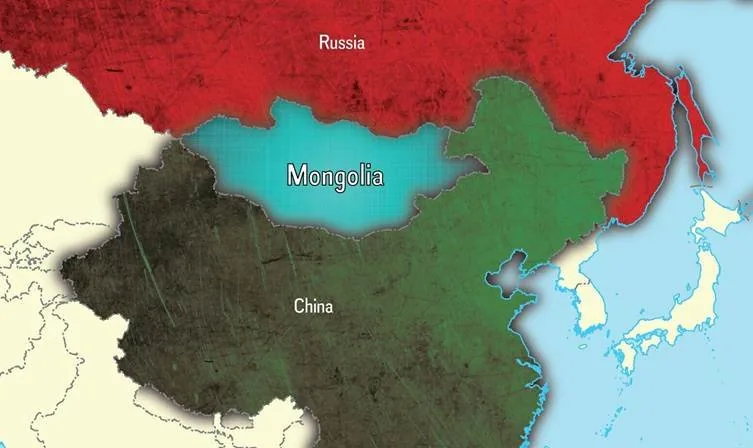
Recently, the 18th edition of Exercise NOMADIC ELEPHANT, an annual India–Mongolia joint military exercise, commenced at the Foreign Training Node, Pithoragarh, Uttarakhand.
* **About:** It is a platoon-level bilateral exercise conducted alternately between India and Mongolia, with the previous edition held at Ulaanbaatar, Mongolia, in May–June 2025.
* **Objective:** The exercise aims to enhance the joint military capability of both armies to conduct Counter-Insurgency Operations (CI/CT) in semi-urban and mountainous terrain under a United Nations mandate.
* **Participants:** The exercise involves 45 personnel each from the Indian Army and the Mongolian Armed Forces.
* **Training Focus:** The exercise includes Cordon and Search Operations, Room Intervention Drills, Special Heliborne Operations, Cyber Security Training, Drone and Counter-Drone Operations and Exchange of best practices and operational drills.
* **Significance:** The exercise strengthens defence cooperation, mutual trust and interoperability between India and Mongolia while enhancing preparedness for joint operations and peacekeeping missions.
* **Other Exercises:** India also actively takes part in Exercise Khaan Quest, a multinational peacekeeping exercise organized by Mongolia.
## MOU's & Agreements
### India-EU FTA: Copyright Concerns
[Source](https://www.drishtiias.com/current-affairs-news-analysis-editorials/news-analysis/22-09-2026#37583)
**Why in News?**
* The European Commission has formally sought approval from European Union member states for the signing and conclusion of the India-EU Free Trade Agreement (FTA), bringing greater attention to its provisions on Intellectual Property Rights (IPR).
* The draft IP Chapter contains detailed copyright provisions that could require changes to India’s Copyright Act, 1957.
* Concerns have emerged over their possible impact on fair dealing, education, research, digital archives and Internet intermediaries.
What are the Key Concerns in the Draft IP Chapter of the India-EU FTA?
* **Omission of the WIPO Copyright Treaty (WCT):**
* The draft FTA incorporates the strict enforcement rules of the WIPO Copyright Treaty (WCT), but does not give India the WCT’s exceptions under National Treatment.
* This could weaken Section 52 of India’s Copyright Act, 1957, which protects "Fair Dealing" for education, research and other lawful digital uses.
* **Strict Anti-Circumvention Rules (TPMs):**
* The EU is pushing for TRIPS-Plus enforcement of Technological Protection Measures (TPMs), which act as digital locks against copying.
* This undermines Section 65A of the Indian Copyright Act, which currently allows students, security researchers, and librarians to bypass digital locks for lawful, non-infringing purposes.
* An absolute prohibition risks criminalizing legitimate software compatibility testing and historical digital preservation.
* **Narrow 'Three-Step Test':**
* Draft FTA introduces a restrictive, EU-style “three-step test” for copyright limitations.
* Because Indian courts rely on an enumerated list of statutory exceptions rather than an open-ended "fair use" doctrine, narrowing these parameters eliminates legal fallbacks for public interest uses.
* **Unqualified Rights Over Temporary Copies:** The FTA grants rightsholders absolute control over all "temporary or permanent" reproductions. This directly contradicts the WCT, which expressly exempts transient network copies.
**Potential Impact on India**
* **Erosion of Academic Freedom:** If the draft is accepted as is, students, teachers, and researchers could face criminal liability for extracting data or reverse-engineering software for academic work.
* **Disruption of the Digital Economy:** Intermediaries and tech companies could face crippling litigation costs from foreign rightsholders over transient data caching—a routine technical process in electronic transmissions.
* **Asymmetric Litigation Costs:** A rightsholder in the EU can fund sustained litigation in India, whereas an Indian intermediary, university, or library lacks the financial capacity to defend its digital exceptions under the FTA dispute mechanism.
* **Lessons from the India–UK CETA:**
* Earlier, the India-UK Comprehensive Economic and Trade Agreement (CETA) raised similar concerns over IPR and India’s policy space. Its emphasis on voluntary licensing was seen as potentially diluting India’s reliance on compulsory licensing to ensure affordable patented medicines.
* Concerns also emerged over patent-working disclosures and India’s longstanding demand for favourable technology transfer.
* The debate highlighted the need to protect TRIPS flexibilities, access to affordable medicines, public health safeguards and technology transfer while negotiating FTAs.
**India–EU Free Trade Agreement (FTA)**
* European Union (EU) Commitments
* **Massive Market Access:** Opens 97% of tariff lines, covering 99.5% of Indian exports by value.
* **Zero Duty on Labour-Intensive Sectors:** Removes 4–26% duties on textiles, apparel, leather, footwear, gems & jewellery, and marine goods worth \~\$33 billion.
* **Mode 4 Professional Mobility:** Eases temporary entry rules for intra-corporate transferees, contractual service suppliers, and independent professionals.
* **Mitigating Non-Tariff Barriers:** Deepens cooperation on Sanitary and Phytosanitary (SPS) and Technical Barriers to Trade (TBT) standards.
* India’s Commitments
* **Calibrated Tariff Opening:** Liberalises 92.1% of tariff lines (covering 97.5% of EU exports), while fully protecting sensitive sectors like dairy, cereals, poultry, and soymeal.
* **Services Access:** Extends operating certainty to EU firms across telecom, financial, maritime, and environmental services.
* **MSME-Friendly Rules of Origin (RoO):** Introduces self-certification (Statements of Origin) and targeted origin flexibilities for shrimps, prawns, and downstream aluminium.
* **TRIPS-Compliant IPR & Digital Sovereignty:** Safeguards the generic pharmaceutical sector, legally protects the Traditional Knowledge Digital Library (TKDL), and preserves policy space for data localisation.
What are the Laws Dealing with IP in India?
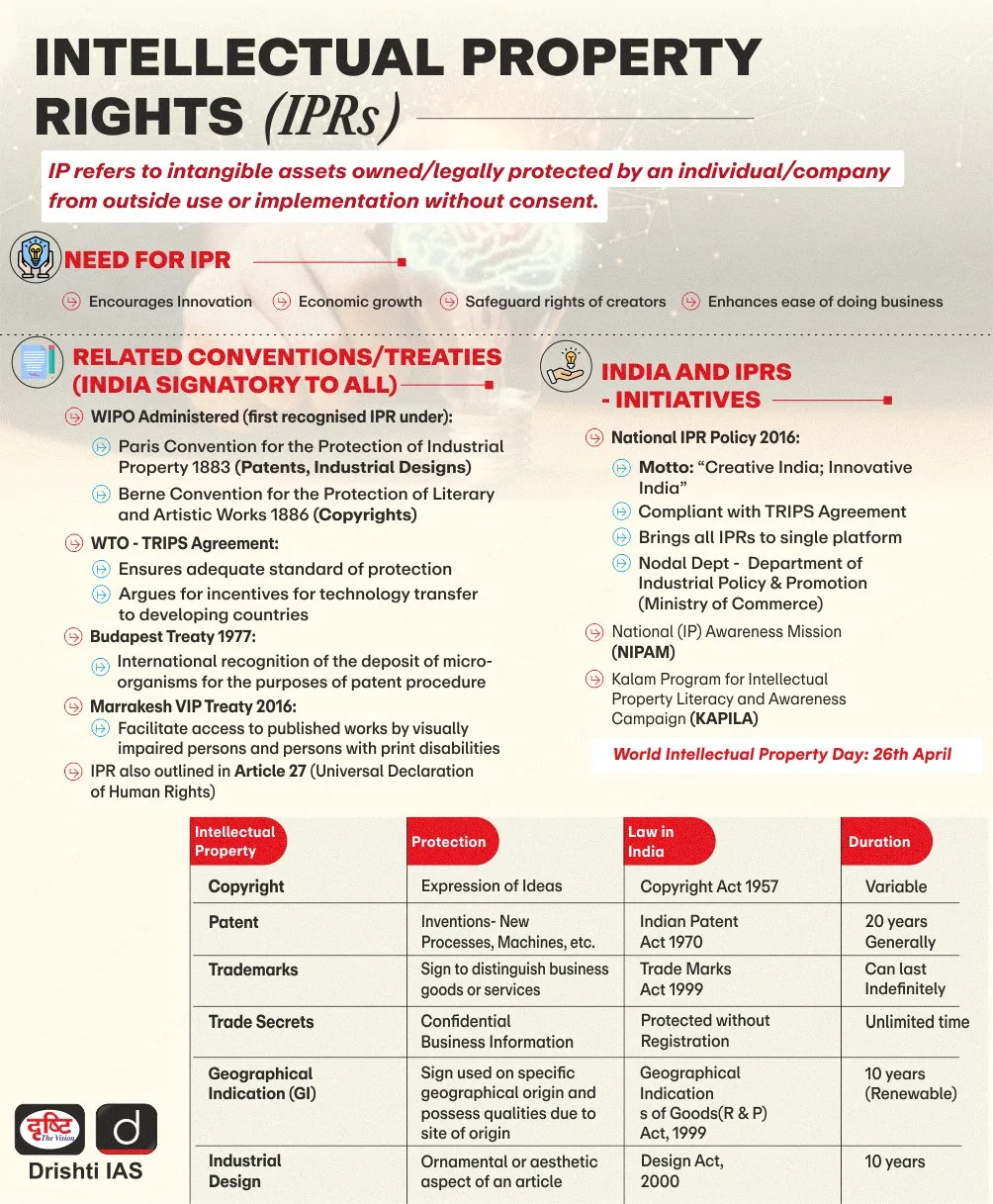
* India has a robust, TRIPS-compliant Intellectual Property regime overseen by the Department for Promotion of Industry and Internal Trade (DPIIT). Key legislations include:
* **The Copyright Act, 1957:**
* Protects literary, dramatic, musical, and artistic works. Section 52 provides exceptions under "Fair Dealing" for education, research, and news reporting.
* Section 65A allows the circumvention of digital locks if done for non-infringing, lawful purposes.
* **The Patents Act, 1970:** Governs the patenting of inventions. It notably includes Section 3(d), which prevents the "evergreening" of patents, crucial for affordable generic medicines.
* **The Trade Marks Act, 1999:** Provides for the registration and protection of trademarks to prevent fraudulent use of commercial marks.
* **Geographical Indications of Goods (Registration and Protection) Act, 1999:** Protects specific agricultural, natural, or manufactured goods originating from a definite geographical territory.
* **Other Laws:** Include the Designs Act, 2000 and the Protection of Plant Varieties and Farmers' Rights (PPV\&FR) Act, 2001.
* **WIPO Internet Treaties:**
* India acceded to the WIPO Internet Treaties (WIPO Copyright Treaty (WCT) and the WIPO Performances and Phonograms Treaty (WPPT)) in 2018 to update its IP framework for the digital age.
* **WIPO Copyright Treaty (WCT):** Protects authors of literary and artistic works (such as writings, computer programs, original databases, musical and audiovisual works, and photographs) in the digital sphere.
* **WIPO Performances and Phonograms Treaty (WPPT):** Protects "related rights" (neighboring rights), specifically the rights of performers (actors, musicians) and producers of phonograms (sound recordings).
**Way Forward**
* **Restore the WCT in National Treatment:**
* India must insist on putting the WIPO Copyright Treaty (WCT) back into the National Treatment clause.
* This ensures India can legally defend its domestic exceptions like affordable digital access for education during any bilateral trade dispute.
* **Protect Lawful Research:**
* India must keep its intent-based rules under Section 65A of the Copyright Act, 1957.
* Breaking digital locks (TPMs) should only be illegal if done to pirate content, not when students, researchers, or ethical hackers do it for legitimate academic studies and cybersecurity testing.
* **Shield Internet Service Providers (Safe Harbour):** Ensure TPM circumvention remains permitted for lawful purposes such as security research, interoperability and digital preservation.
* **TRIPS-Plus Demands:**
* India should stick strictly to standard WTO TRIPS Agreement rules.
* Pushing beyond these baselines risks handing foreign corporations too much control over India's digital economy, threatening digital sovereignty and affordable access to knowledge.
**Conclusion**
* India's primary objective in negotiating FTAs with developed nations must be to boost export market access without compromising its domestic policy space. The intellectual property provisions in trade agreements should not supersede multilateral flexibilities like the TRIPS Doha Declaration.
## Nation & States
### Tulu Accorded 2nd Official Language Status in Karnataka
[Source](https://www.drishtiias.com/current-affairs-news-analysis-editorials/news-analysis/22-09-2026#37572)
The Karnataka government has granted Tulu the status of the second additional administrative language in the State. The status will apply specifically to the coastal districts of Dakshina Kannada and Udupi, where Tulu is widely spoken.
* The government will allocate Rs 82 lakh annually for translation, training and other activities related to the use of Tulu.
* **Background:** The decision implements the recommendations of a committee headed by educationist M. Mohan Alva. This committee was appointed in 2023 to study the state of Tuluva culture and language and recommend pathways for its official recognition.
* **Constitutional Provisions:**
* Under Article 345 of the Indian Constitution, a State Legislature is empowered to formally adopt Hindi or any regional language in use within the state as its official language for administrative purposes.
* Article 347 grants the President of India the authority to direct the official recognition of a language across an entire state or a specific district if a substantial proportion of the population demands it.
* At the national level, the Eighth Schedule of the Indian Constitution currently recognizes 22 languages, while Tulu remains outside it despite demands for its inclusion and greater recognition.
**Tulu Language**
* **Linguistic Lineage:**
* Tulu is a highly prominent Dravidian language, often counted among the 'Pancha-Dravida' (Proto-Dravidian) languages, alongside Tamil, Kannada, Telugu, and Malayalam.
* To record its rich literary and religious heritage, the region developed its own indigenous writing system known as the Tulu script (or Tigalari). A Southern Brahmic script that evolved from the medieval Grantha script.
* **Geographical Spread:** It is widely spoken in the 'Tulunadu' region, which predominantly comprises the coastal districts of Karnataka (the Karavali region) and parts of the Kasaragod district in northern Kerala.
* **Cultural Significance:** Tulu possesses a rich oral tradition, deeply intertwined with local folklore, theatre (such as Yakshagana), rituals like Bhuta Kola, and ancient epic poetry.
* **Historical Context:** Prior to the States Reorganisation Act of 1956, Tulu-speaking regions were under the Madras Presidency before being merged into the unified Mysore state (now Karnataka).
## Polity & Governance
### SC Strikes Down Maharashtra’s Methanol Rules
[Source](https://www.drishtiias.com/current-affairs-news-analysis-editorials/news-analysis/22-09-2026#37585)
**Why in News?**
* The Supreme Court of India recently struck down Rules 18A and 18B of the Maharashtra Poisons Rules, 1972, which mandated the addition of colourants and bitterants to industrial methanol. The Court ruled that these provisions are unconstitutional and fail the Doctrine of Proportionality.
**What are the Maharashtra Poisons Rules, 1972?**
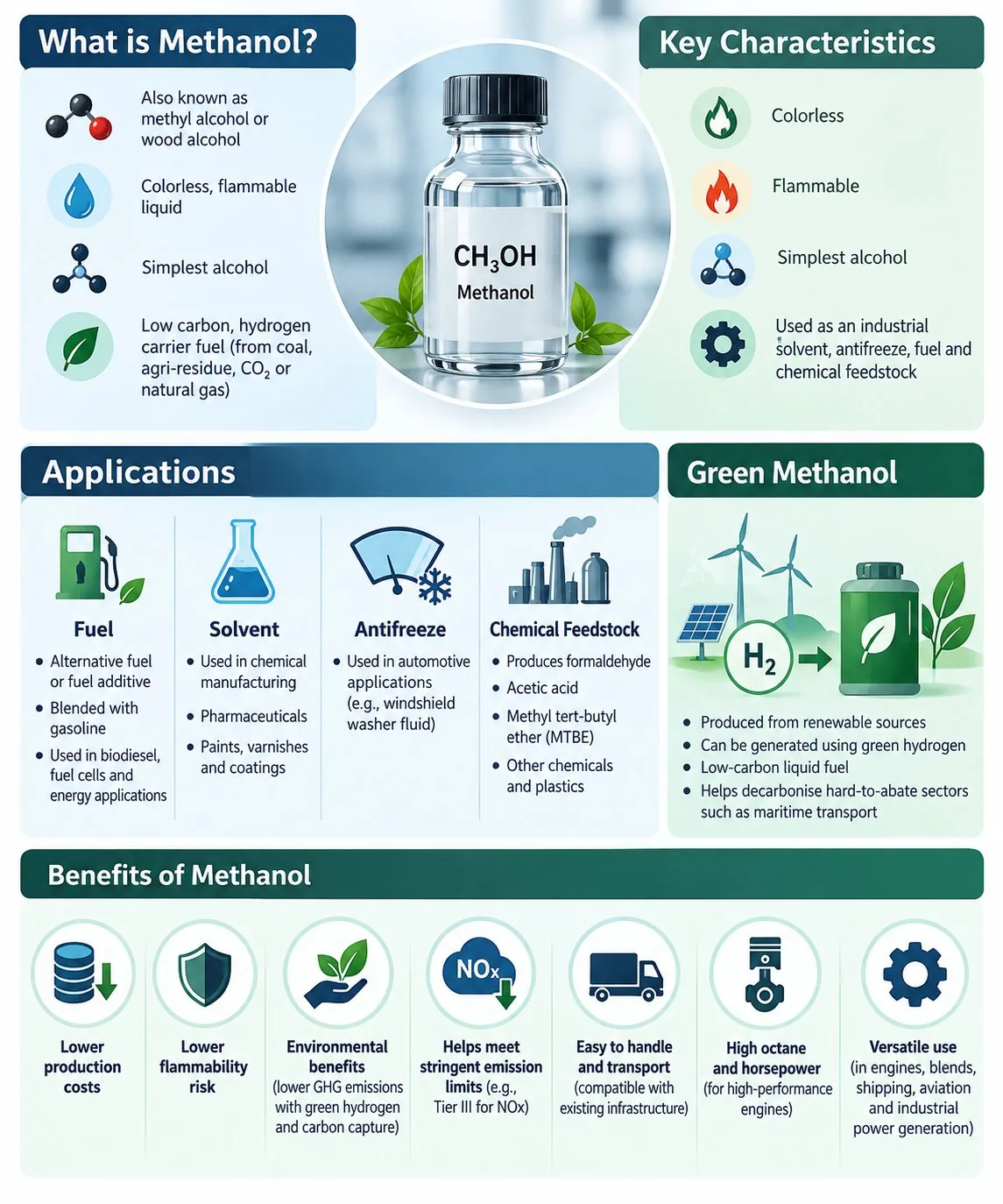
* **Methanol (Methyl Alcohol):** A highly toxic but essential industrial chemical used in paints, resins, pharmaceuticals, and disinfectants.
* **The Origin of the Rules:** Following a severe 1991 hooch (spurious liquor) tragedy in Mumbai, Maharashtra amended its Poisons Rules in 2011 to introduce Rules 18A and 18B.
* **The Impugned Rules:**
* **Rule 18A(1):** Restricted the sale of methanol only to holders of a 'Form A' licence.
* **Rule 18A(2):** Mandated mixing a colourant (methylene carmine) and a bitterant (denatonium saccharide) into methanol before selling it to non-drug manufacturers to prevent its use in illicit liquor.
* **Rule 18B:** Permitted confiscation of methanol found without a Form A licence.
**Supreme Court Ruling on Maharashtra Poisons Rules, 1972**
* **Violation of Fundamental Rights:**
* The Supreme Court declared the rules unconstitutional for violating two primary fundamental rights:
* **Article 14 (Right to Equality):** The rules were deemed "manifestly arbitrary" as they lacked a rational nexus with the objective sought to be achieved.
* **Article 19(1)(g) (Freedom of Trade and Profession):** The mandatory denaturing of methanol placed an unreasonable and continuous burden on non-drug manufacturers, irreparably damaging product quality for legitimate industries (e.g., paints, laboratory chemicals).
* **Application of the Proportionality Test:**
* Applying the proportionality framework (established in K.S. Puttaswamy v. Union of India (2017)), the Court noted:
* While preventing hooch tragedies is a legitimate state aim, the specific restrictions were neither suitable nor necessary. Cosmetic changes (colour/bitterness) fail to address the root causes of illicit liquor deaths, such as pilferage, corruption, and illegal diversion in unregulated fields.
* **Observations on Liquor Prohibition Policy:**
* The Court noted that forced temperance and complete alcohol bans often fail, driving the trade underground.
* This leads to five evils: loss of tax revenue, high enforcement costs, police/excise corruption, illegal distilling, and the resultant drug menace.
* The Court cited the example of Gujarat, which despite strict prohibition since 1960, has witnessed multiple mass hooch tragedies.
**How is Methanol (Industrial Alcohol) Regulated in India?**
* **The Historical Stance:** Previously, under the Synthetics & Chemicals Ltd. (1990) judgment, the Union government held the power to regulate industrial alcohol (under Entry 52 of the Union List), while States were restricted to regulating only potable liquor (Entry 8 of the State List).
* **The 2024 Overrule (State of U.P. v. Lalta Prasad Vaish):**
* In October 2024, an 8:1 majority of a 9-judge Supreme Court Constitution Bench decisively overruled the 1990 judgment in the landmark case of State of Uttar Pradesh v. Lalta Prasad Vaish (2024).
* The Court ruled that the term ‘intoxicating liquor’ in Entry 8 of List II (State List) broadly includes industrial alcohol (such as rectified spirit, extra-neutral alcohol, and denatured spirit like methanol) because these noxious substances can be misused to the detriment of public health.
* Therefore, State governments have the exclusive legislative competence to regulate, control, and tax industrial alcohol to prevent its conversion into illicit liquor.
* **The Poisons Act, 1919:**
* Because methanol is highly toxic and often the primary culprit in mass hooch tragedies, its sale and possession are strictly monitored as a poison.
* The Poisons Act, 1919 is a Central Act, but it explicitly empowers State Governments to frame their own rules regulating the possession and sale of specified poisons within their territories.
* Based on this Act, states formulate individual frameworks (e.g., the Maharashtra Poisons Rules) to enforce licensing, mandate transport under Excise supervision, and require industrial users to maintain rigorous stock accountability.
* **Quality Control and Standardization:**
* To ensure safety in legitimate industrial applications (such as paints, resins, and pharmaceuticals), the Central Government regulates the chemical quality of methanol.
* **Methanol (Quality Control) Order, 2019:** Issued by the Central Government under the Bureau of Indian standards (BIS) Act 2016, this order mandates the compulsory use of the Standard Mark for methanol.
* All methanol must conform to the IS 517 : 1986 standard. The BIS and the respective State District Industries Centres act as the enforcing authorities to ensure compliance.
* **Green Methanol Standards (2026):**
* As India transitions toward clean energy, methanol is increasingly viewed not just as an industrial chemical, but as a critical alternative fuel.
* **National Green Hydrogen Mission:**
* In February 2026, the Ministry of New and Renewable Energy (MNRE) notified specific standards for 'Green Methanol'.
* To be officially classified as 'Green', the methanol produced must have a total non-biogenic greenhouse gas emission of not more than 0.44 kg CO₂ equivalent per kg of methanol.
* This framework aims to decarbonize heavy industries and shipping while transforming India into a reliable exporter of green fuels.
## Security
### India-Pakistan Naval Collision in the North Arabian Sea
[Source](https://www.drishtiias.com/current-affairs-news-analysis-editorials/news-analysis/22-09-2026#37573)
A diplomatic and maritime dispute erupted after the Pakistani offshore patrol vessel PNS Hunain collided with the Indian guided-missile destroyer INS Kolkata in the North Arabian Sea.
* **INS Kolkata (India):** The lead ship of India's Project 15A Kolkata-class guided-missile destroyers, built by Mazagon Dock Shipbuilders. It displaces 7,400 tonnes and is equipped with the BrahMos supersonic cruise missile and advanced anti-submarine capabilities.
* **PNS Hunain (Pakistan):** An Offshore Patrol Vessel (OPV) commissioned in July 2024 and built in Romania, designed primarily for maritime security and electronic warfare.
* **Key Bilateral Agreement:**
* India alleged a violation of Article 10 of the 1991 India-Pakistan Agreement on Advance Notice of Military Exercises, Manoeuvres and Troop Movements.
* This specific provision mandates that naval ships from both nations maintain a separation of three nautical miles (approx. 5.6 km) in international waters to avoid accidents.
* India also stated that the Pakistani vessel violated the International Regulations for Preventing Collisions at Sea (COLREGs), adopted under the International Maritime Organization (IMO) as the universal “rules of the road” for preventing collisions on the high seas and other connected navigable waters.
* **Historical Precedent:** In 2011, a similar collision occurred between the Pakistani warship PNS Babur and the Indian frigate INS Godavari in the Gulf of Aden.
* **Arabian Sea:**
* The Arabian Sea is the northwestern arm of the Indian Ocean, spanning \~3.86 million sq. km with an average depth of 2,734 metres.
* **Boundaries:** India (east), Pakistan & Iran (north), Arabian Peninsula (west), and Indian Ocean (south).
* **Significant Islands:** Houses key island territories including Socotra (administered by Yemen), the Kuria Muria Islands (Oman), and India's Lakshadweep Union Territory (a cluster of coral atolls comprising the Laccadive, Minicoy, and Amindivi islands).
* **Critical Maritime Chokepoints:**
* **Northwest Connection:** Links to the Persian Gulf via the Gulf of Oman through the highly strategic Strait of Hormuz.
* **Western Connection:** Links to the Red Sea via the Gulf of Aden through the Bab el-Mandeb Strait.
* **Strategic Ports & Geopolitics:** Anchors key deep-sea nodes, notably Gwadar Port (Pakistan/CPEC) and Chabahar Port (Iran/INSTC).
* **Primary Drainage Systems:** The sea receives massive freshwater and sediment discharge primarily from the Indus River in the north and the Narmada River from the Indian subcontinent.
## Visits & Conferences
### International Conference on The Future of Environment and Climate Dynamics
[Source](https://www.drishtiias.com/current-affairs-news-analysis-editorials/news-analysis/22-09-2026#37575)
**Why in News?**
* The Prime Minister of India inaugurated the two-day International Conference on "The Future of Environment and Climate Dynamics" in New Delhi. The event was organized by the National Green Tribunal (NGT).
**What are the Key Highlights of the Conference?**
* **About:**
* The Conference brings together jurists, experts, policymakers and stakeholders from 17 countries, along with United Nations Environment Programme (UNEP) and Asian Development Bank (ADB).
* It focuses on knowledge exchange and best practices in judicial, scientific and policy domains.
* It promotes collaborative action to address global environmental and climate challenges.
* **Core Themes:** It promoted dialogues on the intricate relationship between the environment, climate change, development, and environmental justice.
**Major Highlights of the PM’s Address**
* **Per Capita Carbon Emissions & Equity:**
* India’s per capita greenhouse gas (GHG) emissions remain less than half the global average, whereas developed nations emit up to six times more per capita.
* According to the UNEP Emissions Gap Report 2024, India’s per capita GHG emissions were 2.9 tCO₂e in 2022, compared with the global average of 6.6 tCO₂e per person per year.
* The Prime Minister reiterated the principle of Common But Differentiated Responsibilities (CBDR–RC), emphasizing that developing nations must not be unfairly penalized for historical emissions.
* **Early Achievement of COP21 Paris NDCs:** India is the only G20 nation to fulfill its original Paris Agreement (COP21) Nationally Determined Contributions (NDCs) well ahead of the 2030 deadline (surpassing the 50% non-fossil fuel electric capacity milestone and drastically slashing carbon intensity).
* **Pioneering Global Green Alliances:**
* Emphasized that India continues to lead multilateral climate diplomacy through homegrown global frameworks:
* International Solar Alliance (ISA) and One Sun, One World, One Grid (OSOWOG)
* Global Biofuels Alliance (GBA)
* International Big Cat Alliance (IBCA)
* Mission LiFE (Lifestyle for Environment) for mass behavioural change
* **Exponential Clean Energy Expansion:**
* Non-fossil energy capacity has expanded by nearly 400% over the last 12 years.
* Solar capacity grew exponentially from \~2 GW (2014) to over 160 GW (2026), alongside a threefold surge in wind energy and a strategic push for nuclear power.
* **Judicial Accessibility for the Environment:** Inaugurated NGT Mobile App to democratize legal remedies, expedite dispute resolution, and bolster transparent environmental governance.
**National Green Tribunal (NGT)**
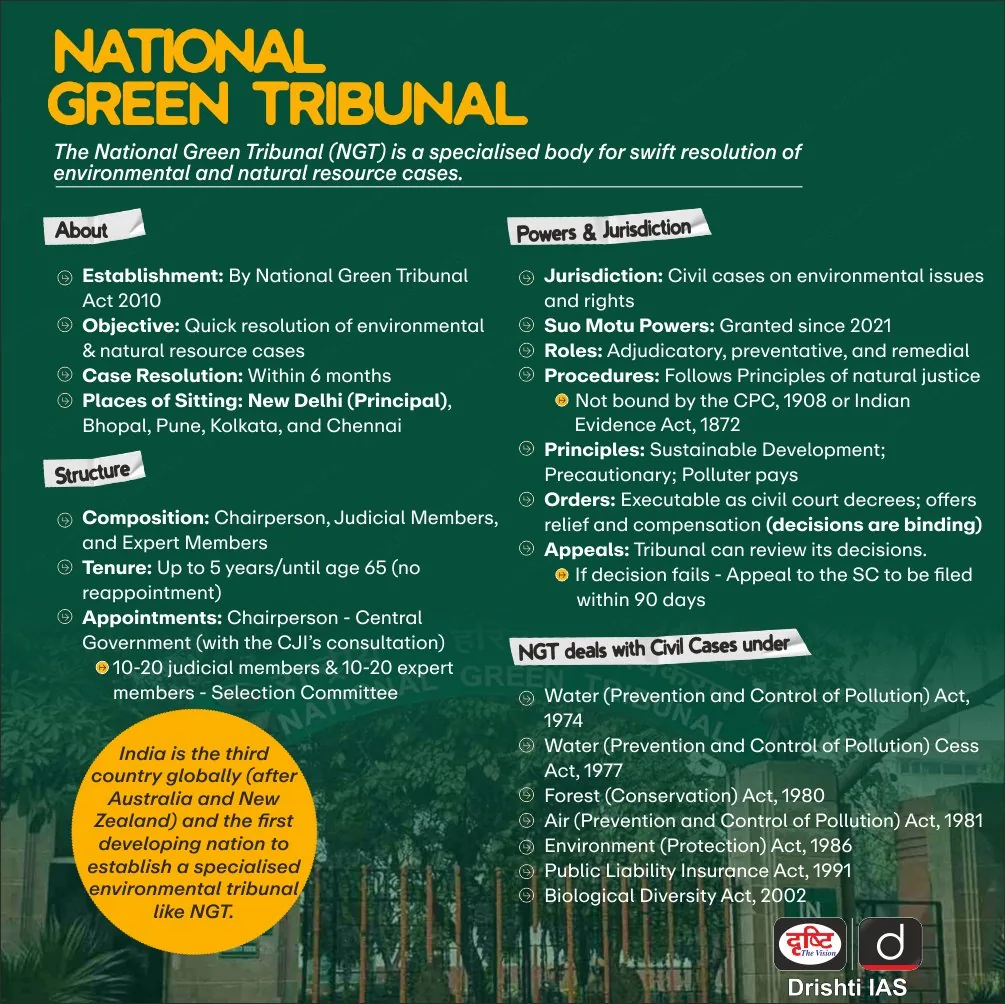
* **About:** The National Green Tribunal (NGT) is a specialized statutory body established under the National Green Tribunal Act, 2010, to provide swift and effective resolution of multi-disciplinary environmental disputes.
* **Procedural Flexibility:** As per Section 19 of the NGT Act, the tribunal is not bound by the rigid procedures laid down in the Code of Civil Procedure, 1908 or the Indian Evidence Act, 1872. Instead, it has the autonomy to regulate its own procedure.
* **Judicial Framework:** Operates on the principles of natural justice rather than the rigid Civil Procedure Code. NGT aims to dispose of cases within 6 months.
* **Tribunal Composition:** Headed by a Chairperson (a retired Supreme Court Judge or Chief Justice of a High Court), supported by 10 to 20 Judicial Members and 10 to 20 Expert Members possessing specialized environmental or scientific credentials.
* **Powers and Enforcement:**
* Functions with the authority of a Civil Court and exercises suo motu powers (initiating cases independently without a formal complaint).
* The Supreme Court of India, in the landmark case of Municipal Corporation of Greater Mumbai v. Ankita Sinha (2021), upheld this suo motu jurisdiction, recognizing the NGT as a sui generis (unique) institution meant to proactively address environmental degradation.
* Furthermore, it has the mandate to impose strict penalties, order environmental restitution, and award compensation to victims under the Polluter Pays Principle and the Precautionary Principle.
* **Appellate Mechanism:** Decisions made by the NGT are legally binding, though an appeal can be filed directly before the Supreme Court of India within 90 days.
* **Significance:** Enforces the fundamental right to a healthy environment under Article 21, ensures stringent compliance with Environment Impact Assessments (EIA), and significantly reduces the environmental litigation burden on regular courts.
## Wildlife
### 3,261 Flowering Plant Species in Agasthyamalai Biosphere Reserve
[Source](https://www.drishtiias.com/current-affairs-news-analysis-editorials/news-analysis/22-09-2026#37584)
The Jawaharlal Nehru Tropical Botanic Garden and Research Institute (JNTBGRI), Thiruvananthapuram, has compiled a new checklist of flowering plants in the Agasthyamalai Biosphere Reserve (ABR), highlighting the global biodiversity significance of the Western Ghats.
* **Floral Diversity:** The study documented 3,261 species, 26 subspecies and 28 varieties belonging to 1,139 genera and 190 families, highlighting the rich floral diversity of ABR.
* **Endemism:** A high level of endemism was recorded, with 1,018 taxa (31.2%) endemic to India, including 245 steno-endemic taxa restricted to specialised habitats.
* **Species-Rich Families:** Fabaceae was the most species-rich family, followed by Rubiaceae, Poaceae and Orchidaceae.
* **Biogeographic Significance:**
* ABR shows strong floral affinity with Sri Lanka, sharing 347 taxa, due to historical geological and climatic connections.
* Some species also show affinity with tropical American flora, possibly due to long-distance dispersal or pan-tropical distribution patterns.
**Agasthyamalai Biosphere Reserve (ABR)**
* **About:**
* It is a massive 3,500 sq. km biosphere reserve located at the southern end of the Western Ghats, straddling the states of Tamil Nadu and Kerala.
* It is one of the four biosphere reserves in South India, along with the Nilgiri Biosphere Reserve, Gulf of Mannar Biosphere Reserve and Seshachalam Hills Biosphere Reserve.
* **Flaura and Fauna:**
* The Neelakurinji (Strobilanthes kunthiana) flower, which blooms once every 12 years, grows in this landscape.
* Lion-Tailed Macaque, Bengal Tiger, Nilgiri Marten, Nilgiri Tahr, Malabar Spiny Dormouse, Great Pied Hornbill, Gaur (Indian bison), Sloth Bear are also found in this region.
* **Ecological and Cultural Significance:** It was included in the UNESCO World Network of Biosphere Reserves in 2016.
* **Tribal Population:** The reserve is home to several indigenous communities, including the Kani tribe, who rely heavily on the forest for their livelihood and culture.
* **Conservation Concerns:** ABR faces threats from habitat fragmentation, climate change, biological invasions and ecological degradation.
This documentation is built and hosted on [Mintlify](https://mintlify.com), a developer documentation platform.